The care notebook / Dental health
Small mouth.
Serious dental care.
A calm daily habit, a comfortable mouth and a clear plan when home care is not enough. Dental care belongs in everyday Chihuahua life.
In this guide / 7 chapters
Start with comfort, not a cleaner-looking tooth
Persistent bad breath, inflamed gums, a broken tooth or a change in chewing deserves attention. A dog can continue eating with dental discomfort. Watching the food bowl alone will not tell you whether their mouth is healthy.
Include a mouth check in routine veterinary visits and ask how often your particular dog needs review. Puppies also need their teeth checked as adult teeth arrive: a baby tooth that remains in place can contribute to crowding. Never try to pull a retained tooth yourself.
A small, useful kit
Choose toothpaste made for dogs and a small, soft toothbrush that your vet considers suitable. Human toothpaste is unsuitable. Keep the kit somewhere convenient so the habit is easy to repeat. Ask your veterinary nurse to demonstrate equipment that fits your Chihuahua’s mouth.
Think of your first goal as a dog who feels safe around the equipment. Put aside the expectation of a complete brushing session on the first attempt. An adult rescue dog can begin learning too; previous experience and current comfort determine the starting point.
Build the habit in small steps
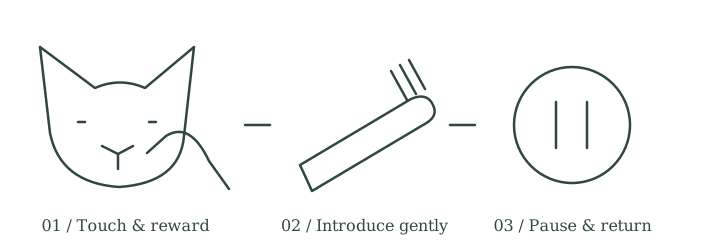
Dogs Trust recommends gradual, positive introductions, ideally building towards daily brushing. If your dog turns away or becomes uncomfortable, pause and return to an easier step next time. Progress depends on comfort rather than a fixed number of days.
- Make a quiet beginningChoose a familiar place. Briefly touch the cheek if your dog is comfortable, reward and finish. Keep the experience easy enough that your dog can remain relaxed.
- Introduce the equipment separatelyLet your dog investigate the brush. Introduce dog toothpaste gently. You are creating familiarity, not trying to complete a dental treatment.
- Add a little brushingWhen your dog accepts the earlier steps, introduce gentle brushing. Ask your vet or nurse to show the technique rather than forcing the mouth open or guessing around a painful area.
- Return, rather than rushA brief comfortable practice is a useful place to stop. If handling stays difficult, ask your vet for support and consider help from a qualified behaviourist.
Know when to change the plan
| What you notice | Your next step |
|---|---|
| Your dog avoids the brush without obvious illness or injury | Pause, make the next practice easier and ask for help if the difficulty continues. |
| Bad breath, bleeding gums, loose teeth or difficulty eating | Contact your vet for an examination. Do not brush through pain. |
| Pain or bleeding after chewing something hard; a suspected fractured tooth | Seek veterinary advice immediately. Keep the object away from your dog. |
Very hard objects can fracture teeth. Chews are not a substitute for checking the mouth or obtaining treatment. Discuss suitable choices with your vet, particularly if your dog has existing dental problems.
When the vet needs to take over
Established dental disease needs a treatment plan. Examination and treatment may require anaesthesia, with dental X-rays where appropriate; damaged teeth may need removal. Home care supports ongoing health but cannot replace that assessment.
Prepare a short note before the appointment: when you first noticed the problem, changes in eating, any bleeding and what your dog can comfortably tolerate at home. Ask what the recommended treatment includes and how home care should restart afterwards.
Put it in the household notebook
Decide who will practise with your dog, where the kit lives and when you will make a quiet attempt. Note what worked and what was too much. A simple observation such as “comfortable with cheek touch; moved away at brush” is more useful than calling a dog difficult.
For a veterinary visit, take three questions: is their mouth comfortable enough for brushing; which equipment and technique suit them; and what should prompt another appointment? Ask for a written treatment estimate and check insurance cover before relying on it.
Include dental care in your working budget →